During our first blog (How A Sex Hormone Imbalance Affects Women), we learned how your body works to create a balance and how important it is to maintain that perfect stability in estrogen and progesterone. The symptoms we experience as women depend on age, diet, stress, etc. Now, let’s dive into how you can rebalance your sex hormones.
Is your lifestyle fueling your imbalance?
While hormone imbalances happen, that doesn’t mean we cannot practice healthy habits. Will you follow these tips all the time? No, we don’t expect you to; we are human. You will forget one or two habits from time to time, but you can follow them the majority of the time. Think of these healthy habits as a proven way to decrease the full-on effects of your sex hormone imbalance:
• Get some shut-eye: high-quality sleep is important for your health. Sleep is not a luxury or self-indulgence. Try to get 6-8 hours of sleep.
• Control your stress: we all tend to have more than our share of things to do with work, family, bills, news, etc., but sometimes we tend to decrease our self-care to get things done. Practicing meditation, yoga, etc., will help you take control of stress instead of stress controlling your life.
• Maintain a healthy body weight: try to incorporate more fruits, veggies, lean meats, healthy fats, and less snacking in between meals. If you are going through menopause, your metabolic rate is decreasing, so your body is more susceptible to storing higher body fat levels in your abdomen area.
• Exercise more: the amount of body movement and planned exercise you do daily will positively affect your hormones. Resistance training (lifting weights, weight machines, kettlebells, etc.) or high-intensity training can help you produce testosterone, which will build muscle and help maintain it.
• Limit alcohol: sometimes people use alcohol to relax or feel better, but drinking can impair the functioning of your ovaries. It decreases progesterone to much lower amounts, which can lead to increased breast cancer risks.
• Limit coffee: unfortunately, coffee tends to increase your estrogen levels. Women that consume high levels of coffee tend to report painful and intense cramps during menstrual cycles and heavy periods.
Think and reflect on your current lifestyle and write down some changes you would like to make after reading this list.
Impact your hormones one bite at a time.
Eating healthy is usually recommended, but what can you actually eat and drink that will help you naturally? Here are some of our recommendations:
Good Protein
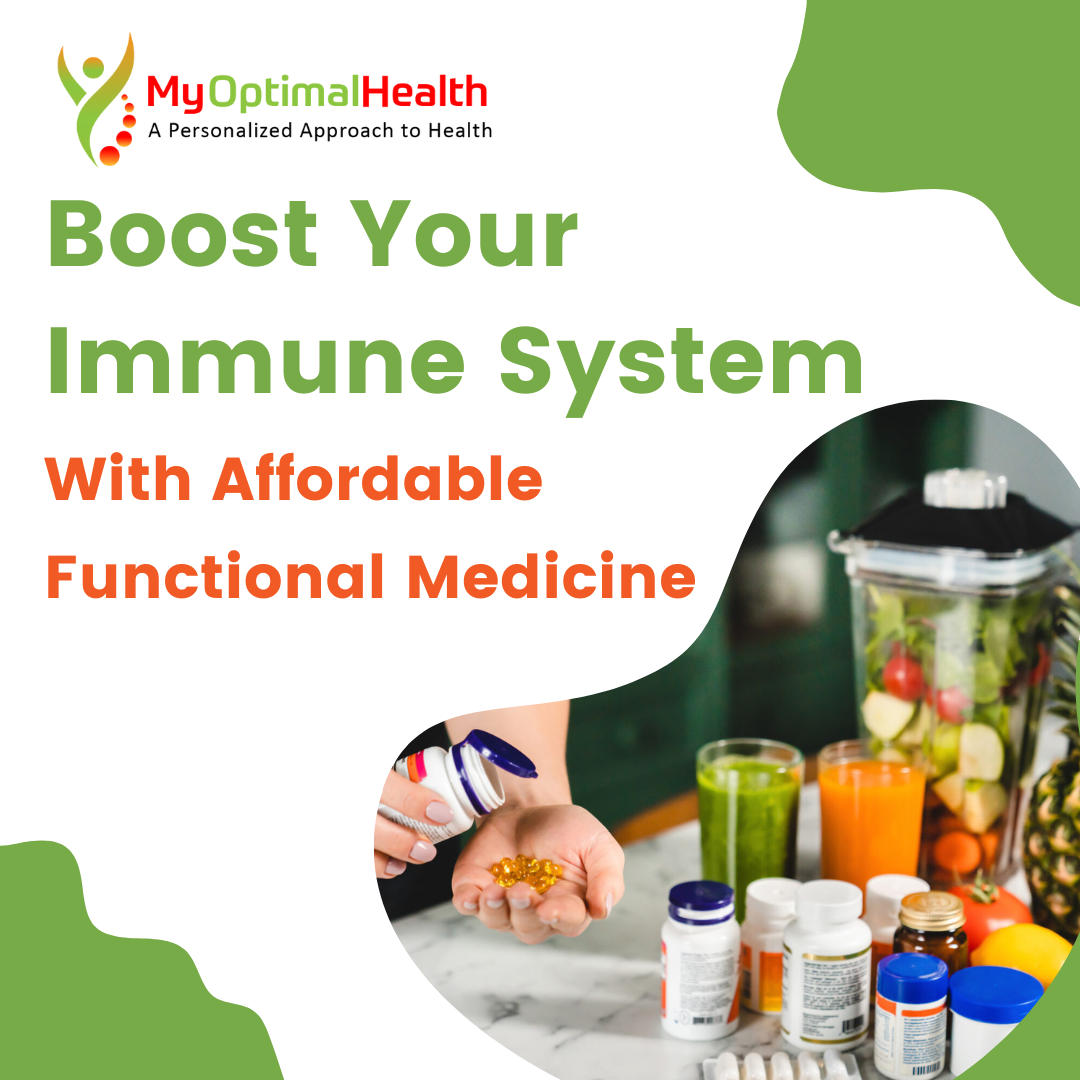
Omega-3 fish oil is one of the key ingredients that can help you bring your sex hormones back to a balanced state. Not only does it help you reduce inflammation, but helps in the production of hormones.
• Salmon
• Tuna
• Lean chicken breast (no skin)
• Eggs
Protein to Avoid
• Processed meats
• Red meat
Cruciferous Veggies and Greens
These vegetables are part of the cabbage family. These cousins can help you metabolize estrogen.
• Spinach
• Kale
• Brocolli
• Collard greens
• Cauliflower
• Brussels sprouts
• Garlic
High-Fiber Carbs
While vegetables have carbs, that doesn’t mean they give high amounts of fiber.
• Quinoa
• Flax seeds
• Sweet potatoes
• Brown rice
• Squash
Carbs to Avoid
• Sugar
• Bread
• Soda
• Soy products
Healthy Fats
Our body’s hormone production relies on healthy fats. It helps us use energy and regulates both estrogen and progesterone.
• Olive oil
• Avocados
• Eggs
• Walnuts
• Pumpkin seeds
• Chia seeds
• Unsweetened yogurt
Fats to Avoid
• Milk
• Cheese
• Cream cheese
• Ice cream
• Any process nut butter
Healthy Fruits
You need fruits that help you improve your hormonal imbalance. The following fruits help with improving metabolism to help with insomnia.
• Apples
• Cherries
• Pomegranates
• Strawberries
• Grapes
• Peaches
What can you drink to balance your sex hormones naturally?
There are various herbs that you can find locally in your supermarket or find them online that will help you rebalance. These herbs are found in multiple forms: powder, supplements, pills, tea bags, etc. Here are the following herbs recommended:
• Kalonji or fennel flower: this flower helps regulate insulin and testosterone. This plant extract might act like estrogen in your body, which is why it is used to ease symptoms such as excessive sweating, hot flashes, irritability, and more during menopause.
• Ashwagandha: this herb is used to help moderate stress levels by releasing cortisol into your body. It allows users to get a better night of sleep and have less stress.
• Black cohost: this root supports women’s menstrual cycle irregularities and menopause symptoms (moodiness, hot flashes, sweating, etc.). In large doses, it acts like estrogen in the body.
• Chasteberry (Vitex): this herb treats menopause, premenstrual, and PCOS symptoms such as acne, relieving breast pain, and infertility disorders.
• Marjoram: this herb is used to reduce stress and treat symptoms of PCOS. It improves levels of estrogen production and can reduce insulin levels.
• Green tea leaf: this tea can help metabolize estrogen and decrease its levels in the body.
• Raspberry leaf: this tea’s antioxidant can help muscle relaxation, relieve menstrual cramps, and support pregnancy.
• Dong Quai: this ginseng (herb) helps prevent symptoms of PMS and menopause. This Chinese herb can balance estrogen levels and alleviates menopause symptoms.
• Fenugreek seed: this herb helps with painful cycles and tends to increase libido by increasing testosterone levels.
• Dandelion root: this root helps detoxify the body of excess hormones and helps prevent constipation.
• Cramp bark: this herb helps to ease the pain of cramps during period cycles and relaxes muscles.
• Ginger rhizome: this ginger helps to fight inflammation and treats PMS symptoms (nausea, headaches, mood swings, etc.).
In conclusion, healthy and balanced sex hormones are possible. While a healthy diet and lifestyle can help, supplements will help fill any nutritional gaps. It will take dedication, discipline, and a will to get better.